
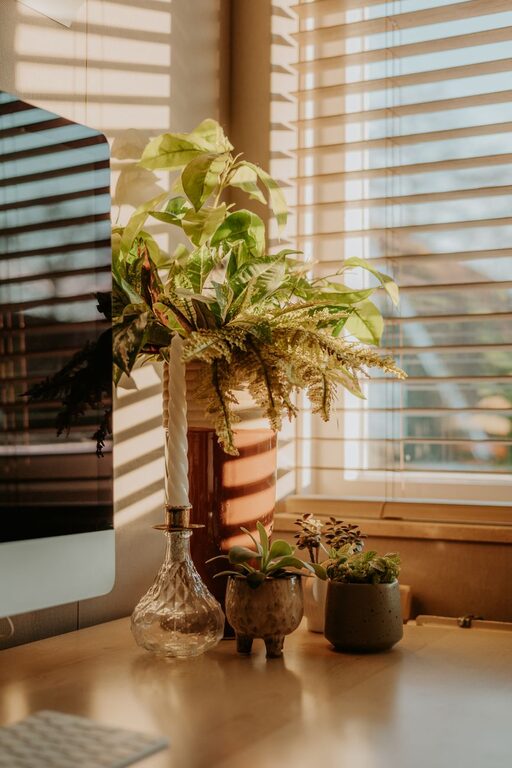
Creating a cozy and inviting home office space is essential for anyone working or studying from home. A well-designed office not only boosts productivity but also makes long hours more enjoyable. Whether you have a dedicated room or a small corner, making your workspace both functional and comfortable is possible with a few thoughtful touches. In this guide, we’ll share practical tips to help you transform your home office into a space you love.
Choose the Right Location
The first step in creating a cozy home office is selecting the right spot. Consider these factors:
– Natural light: Position your desk near a window to take advantage of natural light, which can improve mood and focus.
– Quiet environment: Choose an area with minimal distractions or noise to maintain concentration.
– Space availability: Even a small nook can work if organized well. Make sure there’s enough room for your desk, chair, and storage.
Invest in Comfortable and Supportive Furniture
Comfort is key when you spend hours working at your desk. Focus on:
– Ergonomic chair: A chair with good lumbar support prevents back pain and keeps you comfortable.
– Appropriate desk height: Your desk should allow your arms to rest comfortably at a 90-degree angle.
– Additional seating: Include a small cozy chair or bench if space permits for reading or breaks.
Personalize with Warm and Inviting Decor
Adding personal touches helps make the space welcoming and uniquely yours. Consider:
– Soft textiles: Use cushions, throws, or a plush rug to add warmth and texture.
– Plants: Greenery improves air quality and brings a sense of calm.
– Artwork and photos: Decorate walls with art or family photos to inspire creativity.
– Warm lighting: Use lamps with warm-toned bulbs or string lights for a cozy ambiance, especially in the evenings.
Organize and Declutter
A clutter-free space helps you stay focused and reduces stress. Try these organization tips:
– Storage solutions: Use shelves, filing cabinets, or baskets to keep supplies tidy.
– Desk organizers: Keep pens, paper, and gadgets arranged neatly within easy reach.
– Cable management: Use clips or sleeves to keep cords untangled and out of sight.
– Regular cleaning: Set a weekly routine to tidy the area and prevent buildup.
Incorporate Functional Technology
Technology should support your work without creating distractions:
– Efficient setup: Ensure your computer, printer, and accessories are easy to use and properly connected.
– Noise-canceling headphones: Useful if your environment has background noise.
– Good internet connection: Reliable Wi-Fi or wired connections prevent disruptions.
– Backup power: Consider a surge protector or UPS to protect equipment.
Create Zones for Different Activities
If space allows, define specific areas for various tasks:
– Work zone: Your primary desk area with computer and essentials.
– Reading or brainstorming: A comfy chair or small table for thinking and note-taking.
– Storage zone: Shelves or cabinets dedicated to files and supplies.
This arrangement helps maintain focus and keeps the workspace dynamic.
Pay Attention to Color and Texture
Colors and textures affect mood and energy levels:
– Soothing colors: Soft blues, greens, or neutrals create a calm environment.
– Accent colors: Use pops of brighter colors like yellow or coral to energize the space.
– Varied textures: Mixing wood, fabric, and metal adds depth and interest.
Maintain Good Air Quality and Temperature
Comfort extends beyond what you see and touch. Fresh air and the right temperature keep you alert:
– Ventilation: Open windows when possible or use air purifiers.
– Temperature control: Use fans, heaters, or adjust thermostats to stay comfortable year-round.
Final Thoughts
Designing a cozy and inviting home office space doesn’t require a big budget or lot of time. With attention to comfort, personalization, and organization, your workspace can become a place you look forward to spending time in every day. Start small, experiment with what feels best for you, and enjoy the benefits of a thoughtfully designed home office.
By applying these tips, you’ll create a productive, comfortable environment that supports your work and well-being. Happy decorating!